
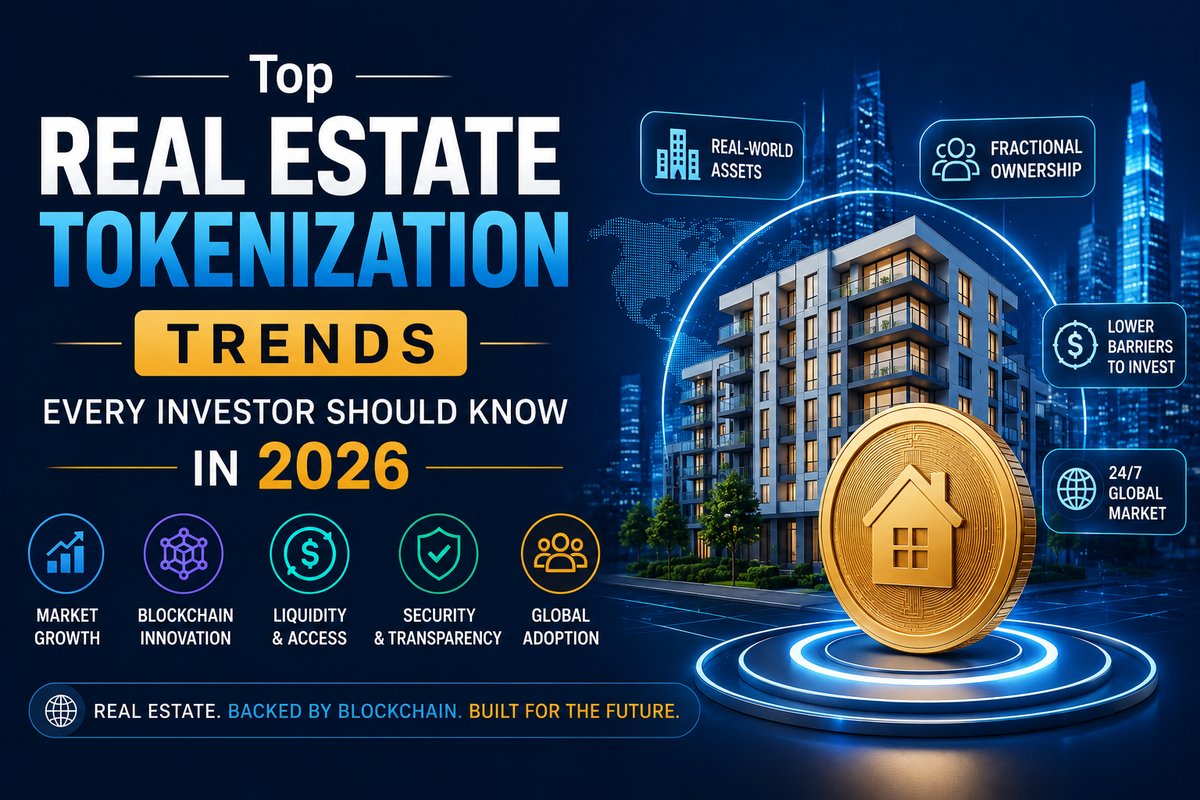
Top Real Estate Tokenization Trends Every Investor Should Know in 2026
-

- June 12th, 2026
- 83 views

FREE SEO Topical Map Generator: Find Your Next Content Ideas
Real estate has always been one of the most trusted investment options. It offers long term value rental income and asset stability. Yet it also comes with barriers that many investors know well. High entry cost slow transactions, limited liquidity and complex ownership records often make property investment difficult.
This is why real estate tokenization trends are becoming important in 2026. Tokenization allows property ownership investment rights or revenue participation to be represented through blockchain based digital tokens. It helps investors access smaller property shares and gives businesses a more structured way to manage digital real estate investment models.
The trend is not only about technology. It is about making real estate more accessible transparent and flexible. Investors are now looking beyond traditional property buying. They want easier entry better reporting secure ownership records and faster transaction models.
For property developers asset managers fintech startups and real estate investment firms 2026 is an important year. Tokenized real estate is moving from early experimentation toward more practical business use cases.
Real Estate Tokenization Trends Are Moving Toward Fractional Access
One of the biggest real estate tokenization trends in 2026 is the growth of fractional ownership. Traditional real estate often requires large capital. This limits access for smaller investors and slows capital raising for property owners.
Tokenization changes this model by dividing property value into smaller digital units. Each token can represent a defined share of an asset or a related investment structure. This makes it easier for investors to participate in high value properties without buying the full asset.
For businesses this creates a wider investor pool. A real estate developer can raise capital from multiple qualified investors. An asset manager can create property backed investment products. A fintech startup can build a digital platform around property access.
This trend also supports portfolio diversification. Investors can spread capital across different property types locations or income models instead of placing all funds into one property.
Businesses planning this model can explore real estate tokenization platform development to understand how investor onboarding token issuance asset management and ownership tracking can work together.
Liquidity Is Becoming a Core Investor Conversation
Real estate is traditionally illiquid. Selling a property can take months. Even transferring ownership shares can involve legal reviews documentation and multiple intermediaries.
Tokenization can create a stronger structure for secondary participation. Investors may be able to transfer approved tokens under platform rules. This can make property backed investments more flexible than traditional ownership models.
Still liquidity should be understood carefully. Tokenization does not guarantee instant buying or selling. A platform needs demand clear transfer rules compliance checks and trusted asset information.
This is why investors in 2026 are looking beyond the word liquidity. They want to know how the platform manages transfers who can buy tokens how ownership is verified and what rules control secondary activity.
A strong platform should clearly explain liquidity conditions before an investor commits funds. This builds trust and prevents unrealistic expectations.
Compliance First Platforms Will Gain More Trust
Another major trend is the rise of compliance first tokenization platforms. Real estate tokenization often connects with property laws securities rules tax structures and investor protection standards.
Investors are becoming more careful. They want to know what the token represents. It may represent ownership interest revenue share debt participation fund interest or another asset backed right. Each structure has different legal needs.
A secure platform should include KYC workflows investor eligibility checks document management transfer restrictions audit trails and reporting tools. These features help protect both platform owners and investors.
Legal clarity is also important. Blockchain records can improve transparency but they do not replace legal agreements. Tokenized real estate still needs proper asset ownership documents contracts valuation and jurisdiction review.
Companies building digital investment models can also read Teqnovos’ asset tokenization guide for a broader understanding of process benefits use cases and risks.
Smart Contracts Are Improving Ownership and Distribution Workflows
Smart contracts are becoming one of the most valuable parts of real estate tokenization. They help automate important actions such as token issuance ownership tracking transfer rules and distribution logic.
For investors this can create better visibility. Ownership records can be easier to trace. Payments and revenue sharing can follow programmed rules. Transaction activity can be stored in a more transparent way.
For platform owners smart contracts reduce manual work. They can support structured workflows for transfers payouts and investor records. This makes operations easier as the investor base grows.
However smart contracts must be tested carefully. Poor logic can create security problems ownership disputes or transaction errors. A real estate tokenization project needs strong technical planning and code audits before launch.
Businesses that need secure blockchain architecture can work with a blockchain development company to plan smart contract development platform security and token logic correctly.
AI Is Becoming Part of Tokenized Real Estate Decisions
AI is becoming more connected with tokenized real estate in 2026. Investors want better insights before they invest. Platform owners also need faster ways to manage data documents and risk signals.
AI can support property data review market analysis rental trend comparison investor support document scanning and automated reporting. It can help platforms turn large amounts of property data into clearer insights.
For example AI can help review uploaded documents and detect missing details. It can support investor dashboards with property performance summaries. It can also help compare rental income location demand and market movement.
AI should not replace expert judgment. Property valuation legal review and investment decisions still need human oversight. Yet AI can reduce manual work and improve the quality of platform insights.
Businesses exploring this direction can read Teqnovos’ latest blog on AI in asset tokenization to understand how AI supports valuation compliance and liquidity in tokenized assets.
Real Estate Tokenization Trends Are Expanding Beyond Residential Assets
Many investors first think of residential property when they hear about tokenized real estate. In 2026 the market is becoming broader.
Tokenization can support commercial buildings hospitality assets rental portfolios land projects affordable housing infrastructure linked assets and premium trophy properties. Each asset type has a different risk profile and income model.
Commercial real estate may appeal to investors looking for rental income and long term contracts. Hospitality assets may connect returns with tourism and occupancy rates. Land projects may require longer holding periods. Premium properties may focus on capital appreciation and limited access.
This wider asset variety helps investors choose opportunities based on risk income expectation location and investment horizon.
It also gives businesses more room to create specialized platforms. A platform can focus on rental income assets development projects or premium property investments.
Investor Dashboards Are Becoming More Important
A tokenized real estate platform cannot rely only on blockchain records. Investors also need a simple dashboard where they can understand their holdings.
In 2026 investors expect clear access to property details token ownership transaction history payout updates documents and performance reports. A strong dashboard can reduce confusion and improve trust.
Good dashboard design also supports repeat investment. Investors are more likely to return when they can see asset information clearly and track their portfolio without needing support every time.
For platform owners dashboards reduce manual reporting. Instead of sending updates through emails or spreadsheets teams can share investor information through secure digital access.
This trend shows that user experience is just as important as blockchain development. A platform must be technically strong but also simple for investors to use.
Global Investor Access Is Creating New Growth Opportunities
Real estate has always been location based. Tokenization is helping property investment become more digitally accessible. Qualified investors can explore property backed opportunities from different regions when the platform and legal structure allow it.
This can help property owners reach a wider audience. It can also help investors compare asset types across locations.
Global access must still be controlled carefully. Jurisdiction rules investor eligibility tax treatment and compliance requirements need clear planning.
Platforms that want international reach need strong onboarding workflows. They also need document controls multi currency planning and compliance checks.
This is where fintech knowledge becomes useful. Businesses can hire fintech developers to support payment flows investor systems financial workflows and compliance oriented platform modules.
Tokenization Is Becoming Part of Broader Asset Strategy
Investors are no longer looking at real estate tokenization as a single trend. They are comparing it with the wider growth of real world asset tokenization.
Real estate is one of the strongest use cases because it is tangible high value and often illiquid. Yet other asset classes are also moving into tokenized models. These include private credit commodities luxury goods funds and revenue backed assets.
This broader market helps investors understand tokenization as an infrastructure shift. It is not only about one property. It is about how ownership records asset access and financial participation can become more digital.
Teqnovos also explains this wider shift in its luxury goods tokenization guide. It shows how tokenization can support shared access and asset backed digital models beyond real estate.
What Investors Should Check Before Entering Tokenized Real Estate
Investors should not invest only because a property is tokenized. They need to review the real asset and the platform structure.
- The first point is legal clarity. Investors should understand what the token represents and what rights are attached to it.
- The second point is asset quality. Property location valuation rental potential documents and market demand need careful review.
- The third point is platform security. Smart contracts wallets user access payment flows and admin controls need strong protection.
- The fourth point is liquidity terms. Investors should know whether transfers are allowed who can buy tokens and what restrictions apply.
- The fifth point is reporting. A trusted platform should provide clear documents performance updates transaction history and ownership records.
- These checks help investors make better decisions and avoid weak tokenization models.
How Businesses Can Prepare for Real Estate Tokenization in 2026
Businesses that want to launch a tokenized real estate platform need a structured plan.
- The first step is to define the business model. The platform may support rental income assets development projects real estate funds or fractional property ownership.
- The next step is legal planning. The token structure must match real world ownership rights contracts and investor rules.
- The third step is platform design. Investors need a simple journey from registration to verification investment and portfolio tracking.
- The fourth step is blockchain development. Smart contracts token issuance wallet flows and transaction records need secure architecture.
- The final step is launch support. A real estate tokenization platform needs maintenance security updates performance tracking and future feature improvements.
- Final Thoughts
The top real estate tokenization trends in 2026 show a clear direction. Investors want better access stronger transparency clearer compliance and more flexible property investment models. Tokenization can help solve some long standing real estate challenges. It can lower entry barriers, improve ownership tracking, support fractional participation and make property backed investments easier to manage.
Still success depends on the quality of the platform. Strong legal planning, secure smart contracts, investor friendly dashboards and reliable compliance workflows are essential. For businesses, tokenized real estate is not just a trend. It is a chance to build smarter digital property investment infrastructure for the next stage of real estate growth.