Geothermal steam turbines | Steam Turbines for Geothermal Power Plants
-

- June 12th, 2026
- 88 views

FREE SEO Topical Map Generator: Find Your Next Content Ideas
Geothermal Steam Turbines: Powering the Future of Renewable Energy
The global shift toward renewable energy has accelerated the adoption of sustainable power generation technologies. Among the most reliable and environmentally friendly renewable energy solutions, Geothermal Steam Turbines play a vital role in converting the Earth's natural heat into electricity. As countries and industries seek cleaner alternatives to fossil fuels, geothermal energy has emerged as a dependable source of baseload power, capable of generating electricity around the clock regardless of weather conditions.
Unlike solar and wind energy, which depend on environmental factors, geothermal energy harnesses heat stored beneath the Earth's surface. This heat is converted into steam, which drives highly efficient Geothermal Steam Turbines to produce electricity. The result is a renewable energy source that offers consistent performance, reduced carbon emissions, and long-term operational stability.
Understanding Geothermal Steam Turbines
Geothermal Steam Turbines are specialized turbines designed to operate using steam extracted from geothermal reservoirs. These reservoirs contain naturally heated water and steam located deep underground. Through geothermal wells, steam is brought to the surface and directed into turbine systems where thermal energy is converted into mechanical energy and subsequently into electrical power through generators.
One of the unique characteristics of geothermal applications is the use of saturated steam. Unlike conventional thermal power plants that generate steam through fuel combustion, geothermal facilities utilize naturally occurring steam from geothermal sources. This approach significantly reduces fuel consumption and environmental impact while ensuring a reliable source of energy.
Modern geothermal turbine systems are engineered to handle varying steam qualities, pressure levels, and operating conditions. Their robust design enables them to perform efficiently in challenging geothermal environments while maintaining long-term reliability and operational efficiency.
The Growing Importance of Geothermal Energy
As governments worldwide establish ambitious carbon reduction goals, geothermal energy is gaining recognition as a critical component of sustainable energy strategies. The ability of geothermal power plants to provide continuous electricity generation makes them particularly valuable for supporting grid stability and meeting growing energy demands.
Unlike intermittent renewable resources, geothermal power plants operate continuously throughout the year. This reliability reduces dependence on backup power systems and contributes to a more resilient energy infrastructure. Consequently, investments in geothermal projects continue to increase across regions with significant geothermal resources.
The deployment of advanced Geothermal Steam Turbines is essential for maximizing the efficiency and economic viability of geothermal power projects. These turbines enable plant operators to extract the maximum amount of energy from geothermal steam while minimizing operational costs.
Advantages of Geothermal Steam Turbines
1. Continuous Power Generation
One of the most significant advantages of Geothermal Steam Turbines is their ability to generate electricity 24 hours a day. Since geothermal heat is continuously produced within the Earth, power plants can maintain stable output levels regardless of weather conditions or seasonal variations.
2. Environmentally Friendly Operation
Geothermal energy is among the cleanest forms of power generation available today. By utilizing naturally occurring underground heat, geothermal plants produce significantly lower greenhouse gas emissions compared to conventional fossil fuel power stations. The use of Geothermal Steam Turbines supports global efforts to reduce carbon footprints and combat climate change.
3. High Reliability
Geothermal power plants are known for their exceptional reliability and availability. Properly designed turbine systems can operate for decades with minimal interruptions, providing dependable electricity to communities, industries, and utility networks.
4. Lower Operating Costs
Although geothermal projects require substantial initial investment, their long-term operating costs are often lower than traditional energy facilities. Since geothermal resources eliminate the need for fuel purchases, power plant operators can achieve stable and predictable operating expenses over time.
5. Sustainable Energy Production
Geothermal reservoirs can provide energy for many years when managed responsibly. Advanced Geothermal Steam Turbines help optimize resource utilization, ensuring efficient energy extraction while supporting sustainable reservoir management practices.
Applications of Geothermal Steam Turbines
The versatility of geothermal energy allows Geothermal Steam Turbines to be used in various applications, including:
Utility-Scale Power Plants
Large geothermal power stations utilize high-capacity turbines to generate electricity for national and regional power grids. These facilities contribute significantly to renewable energy portfolios and support energy security objectives.
Industrial Power Generation
Industries with access to geothermal resources can deploy geothermal turbine systems to meet their energy requirements. This approach helps reduce energy costs while supporting corporate sustainability initiatives.
Remote and Off-Grid Locations
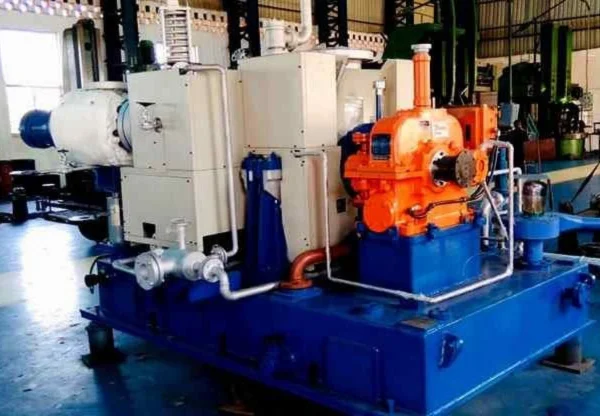
Portable geothermal turbine units provide an effective solution for remote regions where traditional energy infrastructure may be limited. These systems can deliver reliable electricity while reducing dependence on diesel generators and imported fuels.
Distributed Energy Systems
Smaller geothermal installations can support localized energy generation, improving energy resilience and reducing transmission losses associated with centralized power generation.
Technological Advancements in Geothermal Turbine Design
The geothermal power sector has experienced significant technological advancements in recent years. Manufacturers continue to improve turbine efficiency, durability, and operational flexibility to meet evolving industry requirements.
Modern Geothermal Steam Turbines incorporate advanced materials, precision engineering, and sophisticated control systems to optimize performance. These innovations enable turbines to operate effectively under varying steam conditions while minimizing maintenance requirements.
Improved blade designs, enhanced corrosion resistance, and advanced monitoring technologies contribute to greater reliability and longer equipment lifespans. As geothermal development expands globally, ongoing research and innovation will continue to drive improvements in turbine performance and efficiency.
Selecting the Right Geothermal Steam Turbine Solution
Choosing the appropriate turbine system is critical for the success of any geothermal power project. Factors such as steam quality, pressure conditions, plant capacity, and site-specific requirements must be carefully evaluated during the design and selection process.
Experienced turbine manufacturers provide customized solutions tailored to the unique characteristics of each geothermal resource. From compact portable units to large-scale utility turbines, selecting the right technology helps maximize energy production and project profitability.
Organizations seeking advanced geothermal power generation solutions can explore specialized Geothermal Steam Turbines designed for reliable and efficient operation. High-quality turbine systems contribute significantly to overall plant performance, helping operators achieve their energy and sustainability objectives.
For detailed information about geothermal turbine technology and generator solutions, visit:
https://www.cholaturbo.com/geothermal-steam-turbine-generator-sets/
The Future of Geothermal Power Generation
The future of renewable energy depends on technologies that can provide both sustainability and reliability. Geothermal energy uniquely satisfies these requirements by offering a continuous, low-emission source of electricity capable of supporting modern energy systems.
As investment in geothermal infrastructure grows, the demand for advanced Geothermal Steam Turbines is expected to increase. Emerging technologies, improved drilling techniques, and enhanced resource exploration methods will further expand the potential for geothermal power generation worldwide.
With governments, utilities, and industries prioritizing clean energy solutions, geothermal power is positioned to play an increasingly important role in achieving global climate and energy goals.
Conclusion
Geothermal Steam Turbines represent a cornerstone technology in the transition toward sustainable energy generation. Their ability to efficiently convert geothermal steam into reliable electricity makes them an essential component of modern renewable energy infrastructure. Offering continuous power generation, low environmental impact, and long-term operational reliability, geothermal turbine systems provide significant advantages for utility-scale, industrial, and remote energy applications.
As the world continues to pursue cleaner and more resilient energy solutions, Geothermal Steam Turbines will remain at the forefront of renewable power innovation, helping drive a more sustainable and energy-secure future for generations to come.